Architectural glass plays a vital role in modern construction, offering transparency, elegance, and functionality. However, over time, exposure to environmental factors and daily wear can affect its appearance and performance. Advanced Glass Polishing techniques have become a preferred solution for restoring and protecting architectural glass while significantly extending its lifespan.
Understanding Architectural Glass Deterioration
Glass is highly durable, but it is not immune to damage. Continuous exposure to environmental elements can create various surface imperfections that affect both aesthetics and structural integrity.
Common causes of glass deterioration include:
- Hard water deposits
- Surface scratches
- Construction residue
- Pollution exposure
- Sand and dust abrasion
- Chemical staining
These issues often begin as minor defects but can worsen if left untreated.
What Makes Advanced Glass Polishing Different?
Modern Glass Polishing methods utilize specialized compounds, precision equipment, and controlled polishing techniques to remove surface imperfections without compromising glass integrity.
Advanced techniques focus on:
- Surface restoration
- Scratch removal
- Optical clarity enhancement
- Surface smoothness improvement
- Long-term protection
The process restores the original appearance of glass while minimizing the need for replacement.
How Glass Polishing Extends Glass Lifespan
Removes Surface Defects Early
Minor scratches and stains can gradually worsen and lead to deeper damage. Early intervention through professional polishing helps prevent further deterioration.
Prevents Permanent Damage
Surface contaminants can chemically react with glass over time. Polishing removes harmful deposits before they become permanent defects.
Improves Surface Integrity
A smoother glass surface is less likely to accumulate dirt and contaminants, making maintenance easier and reducing long-term wear.
Delays Costly Replacements
Replacing architectural glass can involve significant expenses. Professional polishing extends service life and postpones replacement requirements.

Applications of Glass Polishing in Modern Architecture
Advanced Glass Polishing is widely used for:
- Commercial buildings
- High-rise facades
- Shopping malls
- Hotels
- Corporate offices
- Residential towers
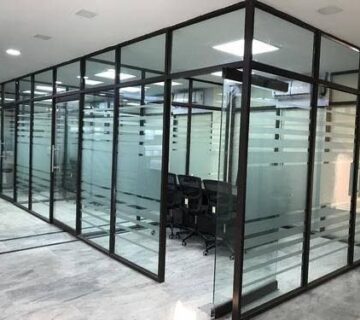
- Glass partitions
- Decorative glass installations
These applications benefit from improved transparency and long-term durability.
Environmental and Financial Benefits
Glass restoration contributes to sustainability by reducing material waste associated with replacement. Property owners can achieve significant cost savings while maintaining premium building aesthetics.
Benefits include:
- Lower maintenance costs
- Reduced replacement expenses
- Improved building appearance
- Extended asset lifespan
- Enhanced sustainability
Why Professional Glass Polishing Matters
Professional technicians understand the unique characteristics of different glass types and use precise polishing methods to avoid distortion or surface damage.
Choosing experienced specialists ensures:
- Safe restoration practices
- Consistent results
- Superior clarity
- Long-term performance
Conclusion
Advanced Glass Polishing techniques offer a practical and cost-effective way to extend the lifespan of architectural glass. By removing surface imperfections and restoring clarity, building owners can preserve the beauty, functionality, and value of their glass installations for many years.