Anyone who has lived through July in Kuwait knows the routine: temperatures pass 45°C, the air conditioning runs day and night, and the electricity bill climbs with it. What most building owners do not realize is how much of that cooling load enters through one building element — the glass. Ordinary single-pane windows and glazed facades are, thermally speaking, holes in the wall. Insulated glass closes them.
This guide explains what insulated glass is, how much difference it actually makes in Kuwait’s climate, and where it delivers the fastest payback in villas, apartments, and commercial buildings.
What Is Insulated Glass?
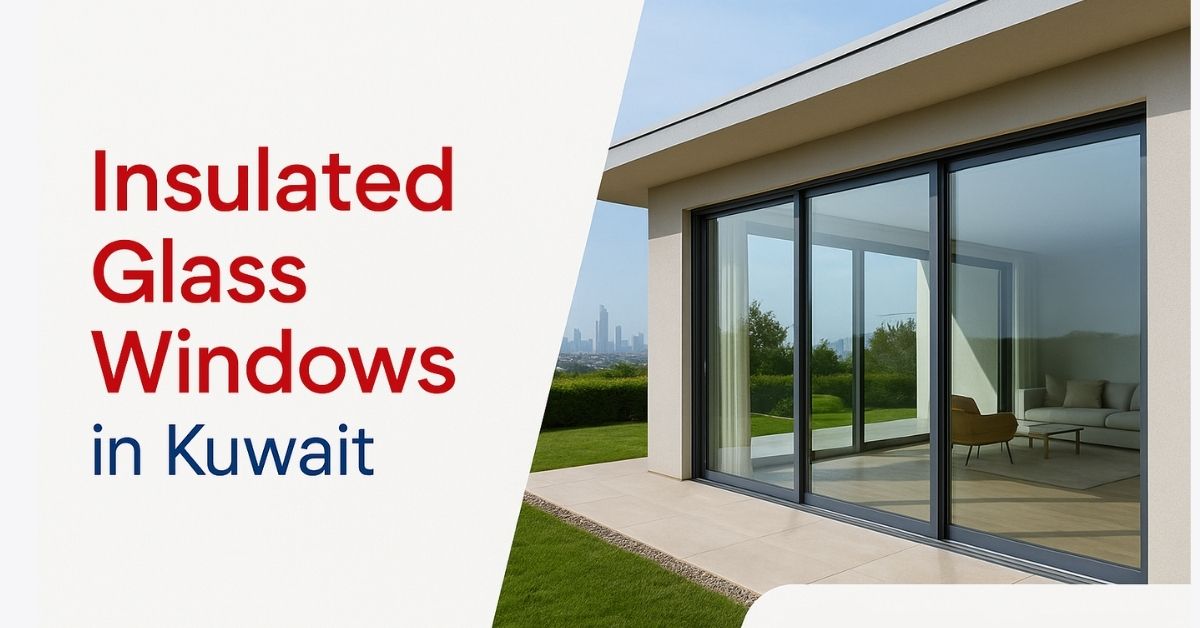
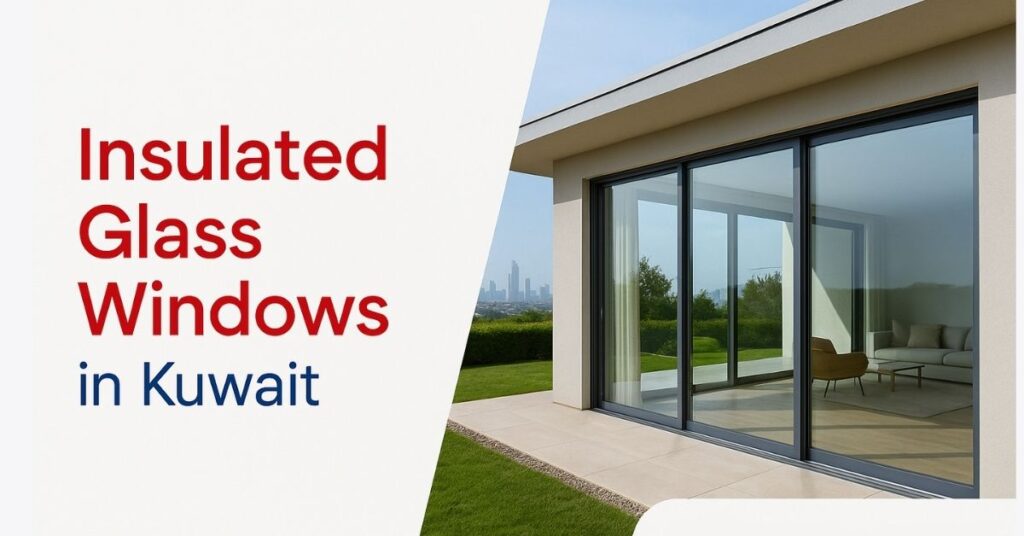
Insulated glass — also called an insulated glass unit (IGU), double glazing, or double glazed glass — consists of two panes of glass separated by a sealed spacer, with the cavity between them filled with dehydrated air or argon gas. The trapped gas layer is a poor conductor of heat, so far less outdoor heat transfers through the unit into your cooled interior. Add a low-emissivity (Low-E) coating and the unit also reflects a large share of the sun’s infrared radiation before it enters the room.
The result: a window that looks identical to ordinary glass but behaves like part of the insulation system rather than a weak point in it.
Why Insulated Glass Matters More in Kuwait Than Almost Anywhere Else
Extreme, sustained solar load
Kuwait records some of the highest summer temperatures on the planet, and the cooling season runs for most of the year. In this climate, the gap in performance between single glazing and a quality Low-E insulated unit is not marginal — glass is often the single largest source of unwanted heat gain in a building envelope, and upgrading it attacks the problem at its source.
Air conditioning dominates electricity consumption
Cooling accounts for the majority of residential electricity use in Kuwait during summer. Every degree of heat that stays outside is load your AC compressors never have to remove. Buildings that switch from single to insulated glazing consistently see reduced AC runtime, lower peak loads, and less strain on units during the hottest weeks — which also extends compressor life.
Comfort you can feel near the glass
With single glazing, the area within two meters of a sun-facing window is often unusable on summer afternoons — the radiant heat is immediate. Insulated Low-E glass keeps the inner pane close to room temperature, so seating areas, desks, and bedrooms next to windows stay comfortable all day.
Dust and noise reduction as a bonus
A sealed insulated unit installed in a quality frame dramatically improves airtightness. Less fine dust infiltrates around the glazing, and street noise drops noticeably — a welcome side effect on busy roads and near construction.
Where Insulated Glass Pays Back Fastest
- West- and south-facing elevations: Sun-facing facades and large window walls — the bigger the glass area and the more direct sun it receives, the faster the savings accumulate.
- Villas with large glazed openings: Floor-to-ceiling glazing is beautiful but punishing with single glass. IGUs make large glazed areas practical in this climate.
- Commercial storefronts and offices: Glass-fronted shops and offices carry huge cooling loads. Insulated storefront glass cuts operating costs and keeps window displays from cooking in the sun.
- Bedrooms and majlis areas: Bedrooms stay cooler overnight without running AC at maximum, and noise insulation improves sleep quality.
Choosing the Right Insulated Glass Unit
- Configuration: A standard configuration such as 6mm + 12mm cavity + 6mm suits most homes; larger panels or storefronts may require thicker or tempered panes.
- Low-E coating: For Kuwait, a Low-E coating is strongly recommended — it targets solar heat specifically, which is the dominant problem here.
- Gas fill: Argon-filled cavities insulate better than air for a small additional cost.
- Tint and solar control: Combine the IGU with tinted or reflective outer panes where glare control or daytime privacy is needed.
- Frames and sealing: The best glass fails in a leaky frame. Proper sealing and quality frames protect the unit’s performance and lifespan.
Insulated Glass from Glass World
Glass World supplies and installs insulated glass units across Kuwait for villas, apartments, and commercial buildings — from single window replacements to full facade glazing. We survey on site, recommend the right configuration for each elevation, and install with proper sealing so the unit performs the way it should for years.
Want to know what insulated glass would save on your building? Contact Glass World for a free assessment and quotation.
Frequently Asked Questions
Is insulated glass worth it in Kuwait?
Yes — arguably more than in any mild climate. Because Kuwait’s cooling season is long and extreme, the energy savings from reducing heat gain through glass accumulate quickly, and the comfort improvement near windows is immediate.
What is the difference between insulated glass and double glazing?
They refer to the same thing. An insulated glass unit (IGU) is two panes sealed around a spacer with an insulating gas layer between them — commonly called double glazing.
Can insulated glass be installed in existing windows?
In many cases yes, if the existing frames can accept the thicker unit. Where frames are too slim or degraded, we recommend replacing the frame and glass together for proper sealing and performance.
Does insulated glass reduce noise as well as heat?
Yes. The sealed double-pane construction noticeably reduces outside noise compared with single glazing, especially when the two panes are of different thicknesses.